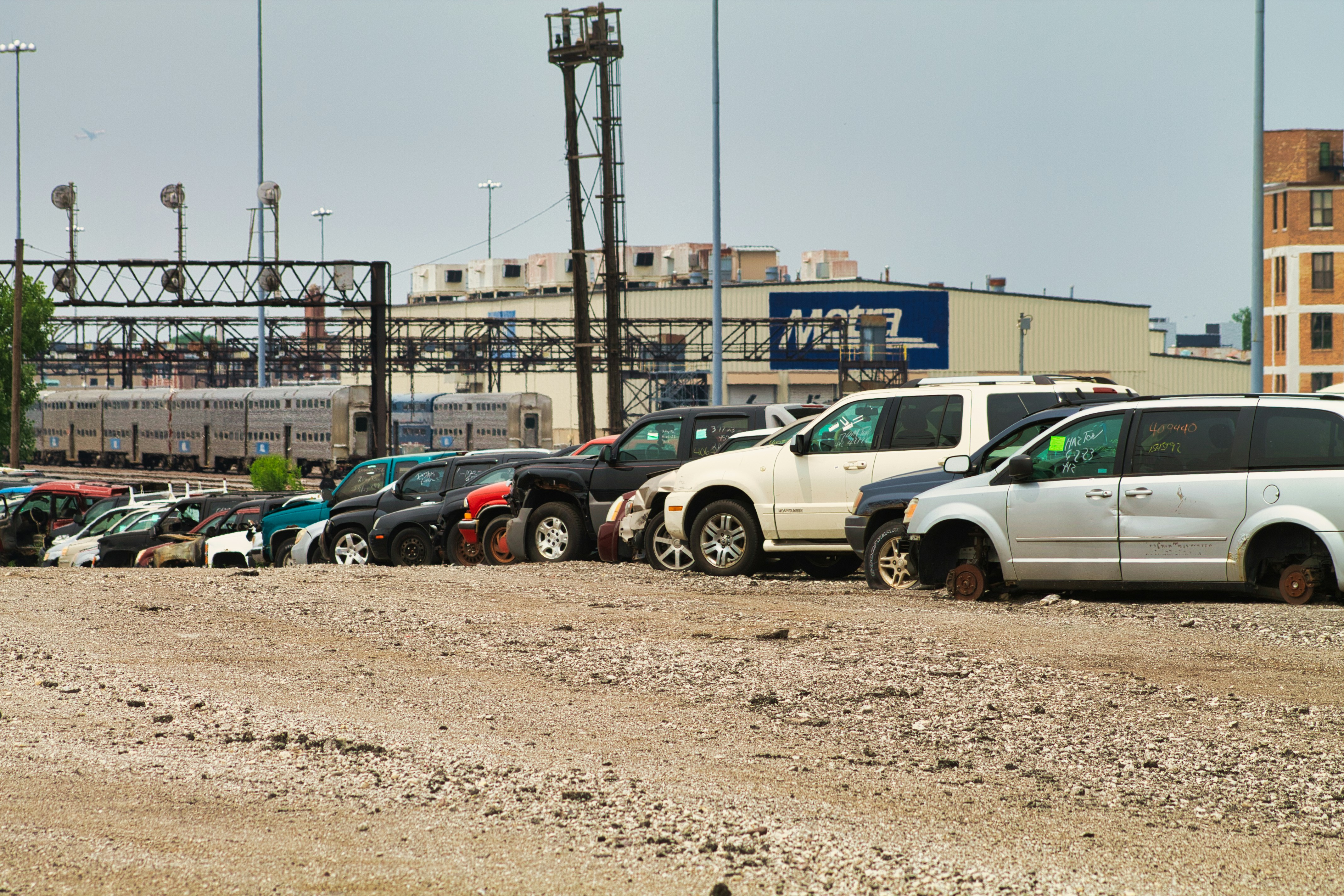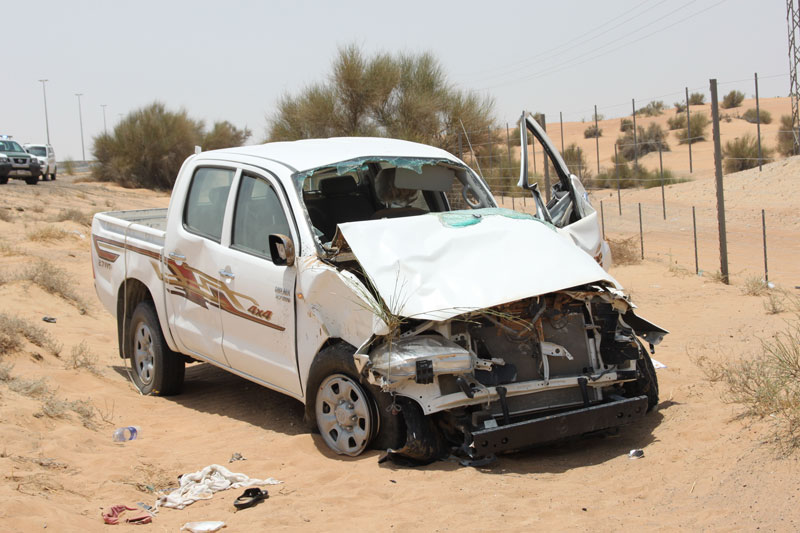
People use "junk car," "scrap car," and "used car" as if they're interchangeable. They're not, and the distinction actually matters once money is involved — because each category gets priced on a completely different basis.
A used car
A used car is one that still runs, still has resale value as a functioning vehicle, and could realistically go to another driver as-is. Even if it's older or has some cosmetic wear, if someone could buy it and drive it away today, it's a used car — and it should be priced against comparable resale listings, not scrap rates.
A junk car
A junk car sits in the middle. It's not fit to drive as-is — maybe it's failed inspection, has serious mechanical issues, or needs repairs that cost more than the car is worth — but it's largely intact. Parts of it (engine, transmission, electronics, body panels) may still have value to someone doing repairs on a similar model. This is where the used-parts market comes in, and it's part of why junk cars often price higher than people expect.
A scrap car
A scrap car is at the end of its usable life. Heavily damaged, missing major components, or simply too old and deteriorated to be worth repairing or parting out in any meaningful way. Its value comes almost entirely from raw material — the metal itself — rather than any functioning part.
Why this distinction actually matters to you
If you describe your car as "scrap" when it's genuinely a junk car with a resale-worthy transmission or a clean set of body panels, you may end up accepting a lower offer than the vehicle deserves. On the flip side, if you're expecting used-car money for something that hasn't run in two years and has three flat tyres, you're setting yourself up for disappointment.
The fix is simple: don't self-diagnose. Describe the car honestly — mileage, what works, what doesn't, any accident history — and let the buyer categorize it based on what they see. A buyer who's evaluating fairly will tell you plainly which of the three categories your car actually falls into, and price accordingly.
If you're not sure which bucket your car falls into, send us the details and a few photos — we'll tell you straight, and quote based on what it's actually worth, not a generic label.